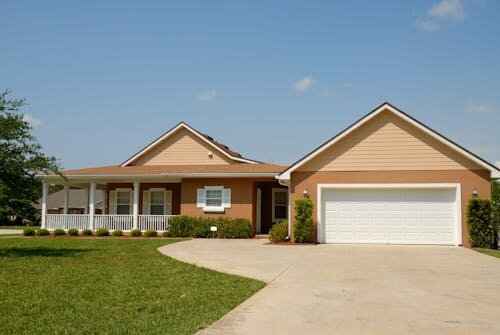
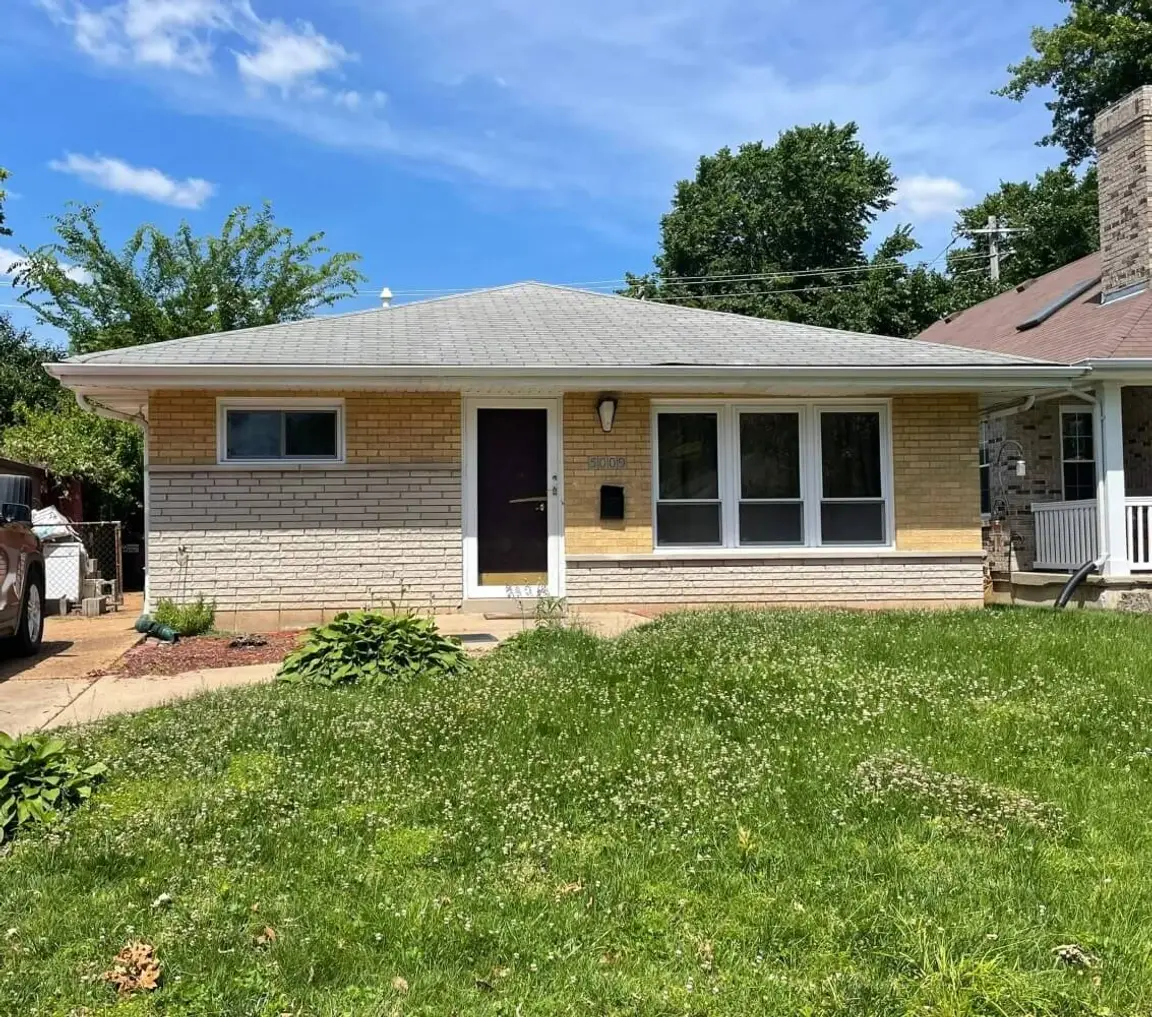
There is a moment that families across St. Louis know — the moment when it becomes clear that a parent, grandparent, or beloved relative can no longer safely live in the home they have called their own for 30, 40, sometimes 50 or more years. It is a moment filled with competing emotions: relief that a decision has finally been made, grief over what that decision means, love for the person at the center of it, and the quiet weight of everything that comes next.
One of the things that “comes next” — often one of the most practically complex and emotionally loaded — is selling the family home.
At Cash Offer Man, a significant portion of the St. Louis homeowners we work with are navigating exactly this transition. They are seniors moving to assisted living or nursing facilities, or adult children managing the sale of a parent’s property while simultaneously managing a health crisis, a grief process, and the logistics of senior care. These are not abstract real estate transactions to us. They are some of the most personal moments in the lives of the families we serve, and we approach them accordingly.
This article is written for you — whether you are a senior considering your own future, a family member helping an elderly parent, or a caregiver navigating the financial and logistical reality of a major life transition. I want to explain exactly what this process looks like, what the challenges are, how Cash Offer Man helps, and why our approach is different from anything else available in the St. Louis market.
Understanding the Scale of Senior Housing Transitions in America
Before we talk about the house, it helps to understand the broader context. The senior living transition is not rare — it is one of the most common and significant demographic events in American life, and it is accelerating rapidly as the baby boomer generation ages.
Approximately 70% of older adults in the United States will need some form of long-term care during their retirement. Over 818,000 people currently live in assisted living facilities, and more than 1.157 million reside in nursing homes. These numbers are growing: the U.S. will need an estimated 549,000 additional senior housing units by 2028 and more than 800,000 by 2030, driven by the sheer scale of the boomer generation — representing more than 21% of the current U.S. population — moving through their seventies and eighties.
The average age of an assisted living resident is 84. Approximately 50% of residents are 85 or older. About 42% of assisted living residents have Alzheimer’s or another form of dementia. And after an average stay of roughly 22 months, approximately 60% of assisted living residents transition further to a skilled nursing facility.
In St. Louis specifically, families are navigating a local market with 197 assisted living communities in the metro area, ranging from intimate residential settings to large continuing care retirement communities (CCRCs). The average cost of assisted living in the St. Louis area runs approximately $4,760 to $5,938 per month, depending on the community and level of care — figures that are comparable to or slightly above the national median of $5,900 per month, and significantly above the Missouri statewide average of approximately $5,150. Nursing home care at the skilled nursing level can run $8,000 to $9,000 per month or more for a private room.
These are substantial ongoing costs. For most families, the equity held in the family home is the most significant financial resource available to fund senior care. Selling that home — and doing so efficiently, with maximum net proceeds and minimum friction — is not just an emotional decision. It is often a financial necessity that directly determines the quality of care a loved one can receive.
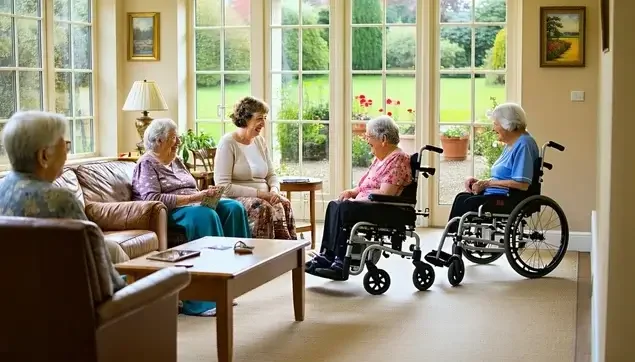
The Emotional Reality — What Families Are Really Dealing With
I want to spend real time on this, because the emotional dimension of selling a long-held family home is something that gets underserved in every conversation about real estate. The practical advice about pricing and preparation and timelines matters, but none of it lands properly unless we first acknowledge what the people in this situation are actually experiencing.
The Home That Holds a Lifetime
When a senior has lived in a home for 30, 40, or 50 years, that home is not just a building. It is the physical container of a life. The kitchen where thousands of family meals were made. The backyard where children and grandchildren played. The bedroom where illnesses were endured and marriages were sustained. The garage where a husband spent his Saturday mornings. The porch where a wife read every summer evening.
These are not sentimental clichés — they are the real, concrete, deeply personal meanings that attach themselves to the physical spaces where we spend our lives. When a senior leaves their home, they are not just changing their address. They are closing the chapter of their life that the home represented. That is a profound loss, and it deserves to be treated as one.
Research on senior transitions to residential care consistently finds that seniors experience a profound sense of loss of independence during this transition. The move to assisted living can trigger feelings of sadness, fear, anger, and grief — not just for the home itself, but for the life it represents, the independence it symbolized, and the identity attached to being a homeowner, a person who manages their own space, a person in control of their daily environment.
For adult children and family members, the emotional weight is layered differently. There is often guilt — the feeling that caring for the parent in the family home is somehow the “right” answer, and that transitioning to outside care is a failure of that responsibility. There is grief for the family home itself, for the childhood memories contained in it, for the parents who used to be fully themselves within those walls. There is exhaustion — the cumulative weight of months or years of increasing caregiving responsibility. And there is sometimes conflict — among siblings who have different emotional relationships to the home and different opinions about what should happen to it.
All of this is happening while simultaneously managing a medical situation, navigating senior care bureaucracy, making decisions about belongings accumulated over decades, and figuring out how to sell a house that may not have been updated since the 1970s.
This is an enormous amount to carry. And the last thing families in this situation need is a real estate process that adds more complexity, more uncertainty, more friction, and more waiting to a moment that is already overwhelmingly full.
The Traditional Home Sale Route — Why It Often Fails Families in Transition
When families think about selling an elderly parent’s home, the first instinct is often to call a real estate agent and list it traditionally. This seems like the safe, responsible choice — get the home on the market, find the highest bidder, maximize the proceeds for care. The logic makes sense in theory.
In practice, the traditional listing process is often poorly suited to the specific circumstances of a senior housing transition, and understanding why is important before you make a decision.
The Preparation Problem
Most senior-owned homes have not been updated recently. This is not a judgment — it is simply the reality of homes that have been lovingly lived in for decades by people whose attention was increasingly elsewhere. A home that was last updated in 1995 will have a kitchen that was functional and appropriate in 1995, bathrooms that have aged alongside the family, carpet that has absorbed 30 years of life, and mechanical systems — HVAC, roof, water heater, electrical — that are approaching or beyond their expected lifespans.
A traditional listing agent will walk through the home and provide a list of things that need to happen before the house goes on the market. Fresh paint. New carpet or flooring. Bathroom updates. Kitchen improvements. Curb appeal work. Mechanical repairs to ensure the property passes a buyer’s lender inspection.
For a family already managing a senior care transition, this list represents weeks or months of work, thousands of dollars of upfront investment, and the coordination of contractors in a property that is simultaneously being emptied of decades of accumulated belongings. The person who owned the home may not be in a position to oversee this work. The adult children managing it are doing so from their own homes, with their own jobs and families, in the middle of an already overwhelming situation.
The preparation burden alone causes many families to delay the sale — and every month of delay is a month of mortgage payments, taxes, utilities, and insurance on a property that is no longer generating any benefit, while care costs continue to accumulate.
The Timeline Problem
A traditional home sale in St. Louis takes 65 to 100 days from listing to closing — and that assumes everything goes smoothly. For families whose elderly relative has just transitioned to a care facility, this timeline can create real financial pressure. Senior care costs begin immediately. Monthly expenses of $5,000 to $8,000 or more hit from day one. The equity in the home is the resource that funds those costs, but that equity is locked until the house closes.
Every week of delay is real money — not just the continuing carrying costs on the home (mortgage, taxes, utilities, insurance) but the opportunity cost of care that must be funded from other sources or deferred while the sale drags on.
The Uncertainty Problem
Traditional sales carry multiple failure risks that are especially painful in an already stressful situation. A buyer’s financing can collapse during underwriting. An appraisal can come in below contract price. An inspection can uncover significant issues in a home that has had decades of deferred maintenance. Any of these events sends the sale back to zero — weeks of waiting wasted, carrying costs accumulated, and the emotional energy invested in getting this far completely spent.
For families already running on empty emotionally, a deal fallthrough is not just an inconvenience. It is genuinely devastating.
The Belongings Problem
Senior-owned homes are frequently full. Decades of living means decades of accumulation — furniture, clothing, kitchenware, books, collections, memorabilia, the physical archaeology of a full life. Before a traditional sale can proceed, this needs to be addressed. Items need to be sorted, some taken by family members, some donated, some sold, some discarded.
This process — which estate sale professionals call a “cleanout” — is one of the most emotionally demanding things a family goes through. Sorting through a parent’s belongings, deciding what has value and what must be let go, can take weeks and is genuinely grief-inducing work. It requires time, physical energy, and emotional bandwidth that families in the middle of a care transition may simply not have.
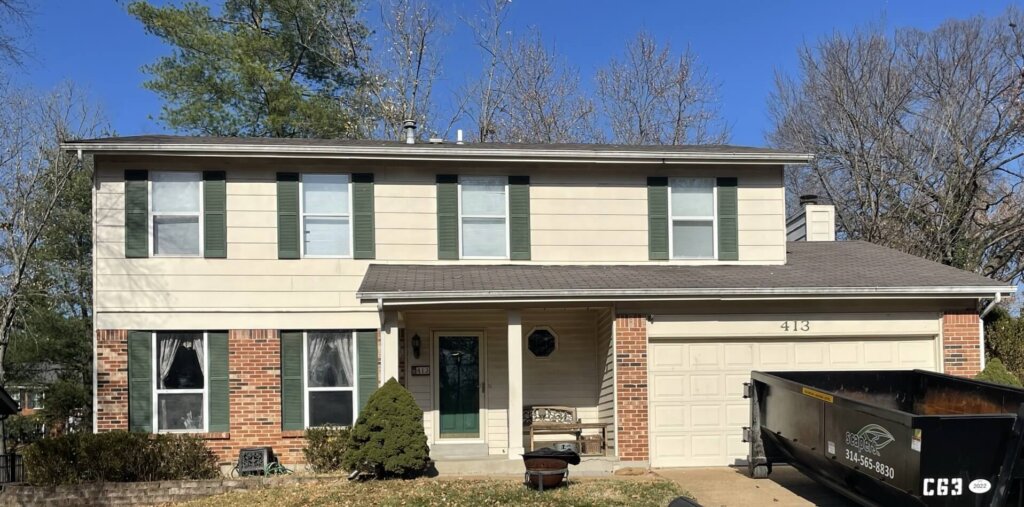
The Cash Offer Man Approach — A Different Path for Senior Transitions
Everything I have described above is why Cash Offer Man exists for families in this situation. Our approach is specifically designed to remove every layer of friction from the selling process so that families can focus their energy on what actually matters: the person making the transition, not the property they are leaving behind.
Here is exactly what working with Cash Offer Man looks like when you are selling a senior’s home in St. Louis.
Step One: A Conversation, Not a Commitment
When you reach out to Cash Offer Man — whether you are the senior making the transition, an adult child managing the process, or a Power of Attorney managing on behalf of a family member — the first step is a conversation. We want to understand your situation before we talk about the property. We want to know your timeline, your concerns, what matters most to you, and what would make this process feel as manageable as possible.
There is no obligation attached to this conversation. You are not signing anything. You are simply talking to someone who has navigated this kind of sale dozens of times and who can help you understand your options clearly before you make any decisions.
We understand that this is not a routine transaction for you. It may be the most significant financial and emotional decision your family makes this year. We treat it accordingly.
Step Two: The Walkthrough — No Judgment, No Pressure
We visit the property — in whatever condition it is in, with whatever contents are present, with no expectation that anything has been cleaned, organized, or prepared. We have walked through homes that have been lovingly maintained for 50 years and homes that have struggled with the deferred maintenance that comes when a homeowner’s physical capacity began to diminish years ago. We have walked through homes full of furniture and belongings representing a lifetime of living. We have walked through homes that would make a traditional real estate agent wince.
None of this changes our willingness to make you a fair offer. All of it is part of what we factor into that offer. We assess the property as it actually is and present a number that reflects the real condition, the real market, and the real value — honestly, without pressure, without judgment.
Step Three: The Cash Offer — Within 24 Hours
Within 24 hours of the walkthrough, we present a written cash offer. This is a firm, committed offer — not a preliminary estimate that changes after further “analysis.” It is based on the property’s actual condition, current comparable sales in the St. Louis market, and our honest assessment of what the work required will cost.
We walk you through how we arrived at the number. There are no hidden fees, no deducted commissions, and no closing costs typically paid by you. The number we present is close to the number you receive.
You take whatever time you need to review it. Talk to your family. Compare it to what you understand about your alternatives. Ask us any questions you want. We will answer every one of them directly and honestly.
Step Four: You Decide What Comes With You — Leave Everything Else
This is one of the most important things we offer families in a senior transition, and it deserves its own emphasis.
You take what matters to you. You leave everything else.
When a senior is moving to assisted living or a nursing facility, their new living space is dramatically smaller than the home they are leaving. A private suite or a one-bedroom apartment simply cannot accommodate 50 years of furniture, decor, and belongings. Families must make difficult decisions about what makes the transition and what does not.
What Cash Offer Man allows you to do is make those decisions thoughtfully and without pressure, taking only what genuinely serves the new living environment, and leaving everything else for us to handle. The furniture you do not want. The kitchen items that will not be needed. The accumulation in the attic and the basement that nobody is sure what to do with. The items that carry memory but have no practical place in a 400-square-foot assisted living suite.
We handle the cleanout. We coordinate with donation organizations, estate sale contacts, and disposal services. We take on the physical and logistical burden of emptying the home so that your family does not have to.
Step Five: We Can Help Move What Matters to the New Home
Beyond taking what families want to leave, Cash Offer Man can also assist in the other direction: helping transport meaningful belongings — furniture that brings comfort to a new room, family photos that make an unfamiliar space feel like home, personal items that connect a senior to their history — to the new living environment.
For a senior who is anxious about leaving their home, having their favorite chair, their familiar lamp, and their treasured photographs surrounding them in the new space can make an enormous difference. The transition to assisted living is easier when the new room feels like it holds something of the old one. We understand this, and we are willing to help make it happen in whatever way is practical.
Step Six: Close on Your Timeline
We close when you need to close. If you are facing care cost pressure and need to close in two weeks, we work to make that happen. If you need 30 days to ensure your family member is settled and comfortable before the final closing, that is fine too. If the Power of Attorney situation requires additional time to resolve, we accommodate that.
The closing timeline is yours to determine, not ours. You have enough things to manage right now. The closing date should not be one of them.
Why a Cash Sale Often Makes More Sense Than You Think
There is a natural instinct to believe that listing traditionally with an agent will always produce a higher net outcome for the seller. For some homes in some situations, this is true. But for the specific circumstances of a senior housing transition — often involving an older home with deferred maintenance, a family under time pressure, and significant costs associated with preparation, carrying, and the transaction itself — the honest math frequently tells a different story.
Let’s run through a real example using St. Louis market data.
The Property: A 1,400 square foot brick ranch built in 1968 in a South County neighborhood. The home has been lovingly occupied for 47 years and is in original condition. The kitchen and bathrooms are dated. The roof has approximately four years of life remaining. The HVAC is original to a 2005 replacement and is aging. The carpet throughout is functional but worn. The home is full of 47 years of furniture and personal belongings.
Traditional Listing Path:
Market value if fully renovated: $185,000
Pre-sale repairs to compete traditionally (kitchen update, bathrooms, carpet, fresh paint, landscaping): $18,000 HVAC service and documentation: $300 Pre-listing cleanout and estate management: $3,500 Professional photography and listing: $500 Real estate commission (5.52% of $185,000): $10,212 Title fees and closing costs: $2,200 Property tax prorations and carrying costs (90 days): $4,200 Post-inspection concessions on an older home: $4,000
Total costs: $42,912 Net proceeds: $142,088
Cash Offer Man Path:
Cash offer on the property as-is, with cleanout included: $140,000 Title fees (frequently covered by buyer): $0 Closing costs: $0 Carrying costs: $800 (based on 30-day close) Cleanout cost: $0 (handled by Cash Offer Man) Moving assistance for belongings to new facility: $0
Total costs: $800 Net proceeds: $139,200
The difference between the two paths is $2,888 on a real-world example where the family would have spent $18,000 upfront, waited 90 days, managed contractors, coordinated an estate cleanout, and endured the risk of inspection renegotiations — all while simultaneously managing a senior care transition and paying $5,000 to $6,000 per month in care costs from other resources because the home had not yet closed.
For most families in a senior housing transition, that calculation is clear. The certainty, speed, and elimination of burden that Cash Offer Man provides is not just convenient — it is financially rational when you run the real numbers honestly.
Understanding the Senior Care Landscape in St. Louis
For families who are navigating the senior care decision alongside the home sale, a brief overview of what the St. Louis market offers is helpful.
St. Louis is genuinely well-served for senior living options across the full spectrum of care. The metro area has 197 assisted living communities, ranging from smaller residential care homes to large full-service continuing care retirement communities (CCRCs) that offer a full continuum — independent living, assisted living, memory care, and skilled nursing — all under one roof.
Independent Living communities are appropriate for seniors who are largely self-sufficient but want to be free of home maintenance, enjoy community amenities, and have access to on-site services. These communities often feature restaurant-style dining, activity programming, transportation services, and social environments that combat the isolation that affects many seniors living alone. Costs in St. Louis for quality independent living run approximately $2,500 to $4,500 per month.
Assisted Living is the most common destination for the senior transition we discuss in this article. These communities provide housing, meals, assistance with activities of daily living (bathing, dressing, medication management), and a structured social environment. In St. Louis, assisted living costs average approximately $4,760 to $5,938 per month, with variation based on location, amenities, and level of care. Well-regarded communities include Brookdale Creve Coeur, Sunrise of Webster Groves, Clarendale Clayton, Cedarhurst of Tesson Heights, and Aberdeen Heights in Kirkwood (a faith-based CCRC), among many others.
Memory Care facilities are specifically designed for residents with Alzheimer’s disease or other forms of dementia, which affect approximately 42% of assisted living residents. These communities feature secured environments, specialized programming, and staff trained specifically in dementia care. About 18% of assisted living communities in the U.S. have dedicated memory care units.
Skilled Nursing Facilities provide the highest level of long-term residential care, with 24/7 nursing supervision, physician oversight, and complex medical management. Costs for skilled nursing in St. Louis run approximately $8,000 to $9,000 per month for a private room — making the efficient conversion of home equity to liquid assets particularly urgent for families at this level of care.
Continuing Care Retirement Communities (CCRCs) — also called Life Plan Communities — offer the full continuum of care on a single campus, allowing residents to move between levels of care as their needs change without changing communities. This continuity of environment and community relationships is highly valued by many seniors and families. Notable St. Louis CCRCs include Nazareth Living Center, Aberdeen Heights, and EverTrue Laclede Groves.
For families navigating the senior care selection process alongside the home sale, resources like A Place for Mom, Caring.com, and the local Area Agency on Aging (reachable through the Missouri Department of Health and Senior Services) can provide free guidance and coordination assistance.
Special Situations — When the Process Is Even More Complex
Some senior housing transitions involve additional layers of complexity that Cash Offer Man is specifically experienced in navigating. These situations call for extra sensitivity and flexibility, and they are worth addressing directly.
When Dementia or Cognitive Impairment Is Part of the Picture
When the senior transitioning to care has Alzheimer’s or another form of cognitive impairment, the home sale process takes on additional complexity. The senior may not fully understand what is happening. The Power of Attorney holder — typically an adult child or trusted family member — is managing the transaction on the senior’s behalf. Decisions about the home and its contents may need to be made by someone who did not live in the house and may not know the history or meaning of specific items.
Cash Offer Man works carefully and respectfully in these situations. We communicate directly with the Power of Attorney or trustee as the legal decision-maker while always remaining respectful of the senior’s dignity and the emotional significance of the property. We move at a pace that allows the family to make thoughtful decisions about belongings and timing, and we never exploit the urgency of a difficult situation.
When the Senior Is Resistant to Leaving
One of the most challenging scenarios families face is when the senior does not want to leave — or cannot fully process why they must. The home may represent, to them, the last stronghold of their independence and identity. Agreeing to sell it can feel like agreeing to a diminishment of self that they are not ready to accept.
In these situations, the home sale should move at the family’s pace, not ours. Cash Offer Man will provide a firm offer that remains valid and allows the family to take the time they need to navigate the transition with their loved one. We do not create urgency where there should not be any. The senior’s adjustment is more important than our closing timeline.
When the Estate Is Involved
When a senior has passed and the family is managing the sale of the estate home — rather than transitioning a living person to care — the dynamics are different but the core challenges are similar. There may be probate to navigate. There may be multiple heirs who need to agree. There may be a home full of belongings that nobody is sure what to do with. There may be property in a condition that has deteriorated significantly in the senior’s final months or years.
Cash Offer Man handles estate sales regularly and works alongside estate attorneys to ensure the transaction fits within the probate and estate settlement timeline. We are patient, we are experienced with the specific complexity of these situations, and we provide a clear, uncomplicated path to closing that makes the estate settlement process as straightforward as possible.
Why Cash Offer Man Is Different — Local Expertise, Genuine Care
There are many companies that will offer to buy your St. Louis property for cash. National iBuyers. Out-of-state investment firms. Websites that automate an offer based on an algorithm that has never seen your home. I want to explain clearly why Cash Offer Man is different — because in the context of a senior housing transition, the difference between a trustworthy local partner and an impersonal national company is enormous.
We are genuinely local. I am Aaron Eller. I live in St. Louis. I drive these streets. I know the neighborhoods, the housing stock, and the communities — from the South City bungalows of Tower Grove to the mid-century ranches of South County to the brick homes of Florissant and beyond. When I walk through your parent’s house, I am not applying a national algorithm. I am applying years of specific knowledge about this specific market to make a fair, honest assessment.
We know the housing stock. St. Louis has one of the most distinctive and aged housing inventories in America. Older brick homes with specific maintenance characteristics — tuckpointing, sewer laterals, original plumbing, knob-and-tube wiring — require specific knowledge to assess accurately. We know what those issues cost to address, and we build that knowledge into our offers rather than leaving sellers to discover problems during buyer inspections.
We are invested in this community. Cash Offer Man is not going to move to a different market when conditions change. We are here because St. Louis is home, and we are invested in what happens here. When we renovate a home and bring it back to the market as quality housing, we are doing something good for the neighborhood and the city — not just for our ledger. This matters to us, not as a talking point but as a genuine value.
We have walked this road with families like yours. I have sat at kitchen tables with adult children who have not slept properly in months. I have spoken with daughters managing a parent’s dementia alongside their own careers and families. I have worked with seniors who needed someone to talk to as much as they needed someone to buy their home. I have been there for the hard conversations and the complicated emotions and the moments when someone just needed a kind, knowledgeable, unhurried presence to help them figure out the next step.
This experience shapes how we operate. We do not rush. We do not pressure. We do not deliver hard numbers without the conversation that gives those numbers context. We help families understand their options fully before they make any decision — and we mean it when we say there is no obligation until you are ready.
We give back to the community. Every home we purchase and renovate is a contribution to the neighborhoods we work in. In areas of North City that are rebuilding from the May 2025 tornado and from decades of disinvestment, our renovations bring quality housing back to blocks that need it. In South County and North County neighborhoods where our sellers are transitioning to senior care, our renovations add value to communities where families are still building their lives. We are not extracting from St. Louis — we are investing in it, one house at a time.
Practical Guidance for Families Getting Started
If you are reading this and you are in the middle of a senior transition — or you can see one approaching — here is practical guidance for getting started.
Start the conversation about the home early. The earlier a family can have an honest conversation about the future of the family home, the more options there are and the less pressure there is on the timeline. A sale managed over three months with intention is far better than a sale managed in three weeks under crisis conditions.
Get a cash offer before you list. Even if you are considering a traditional listing, it costs nothing to request a cash offer from Cash Offer Man first. The offer gives you a concrete baseline for comparison — a real number that reflects the current St. Louis market and the specific condition of the property — against which you can evaluate what a traditional listing would realistically net after all costs. In most cases, families are surprised by how narrow the gap actually is.
Communicate with Power of Attorney or trustees early. If the home sale will be managed by a Power of Attorney, trustee, or executor, ensure that the legal framework is in place and that all relevant parties are informed before initiating any sale process. This avoids delays and misunderstandings that can be particularly painful in an already difficult situation.
Make a list of items with personal or sentimental value. Before the cleanout conversation happens, walk through the home (or ask someone to do so on behalf of the senior) and identify items that carry particular meaning — photographs, heirlooms, items that the senior specifically wants with them in their new home, items that family members want to keep. Having this list makes the cleanout process more organized and ensures that nothing of irreplaceable personal value is lost in the logistical shuffle.
Let Cash Offer Man handle the rest. Everything beyond the items on that meaningful list — the furniture, the appliances, the accumulated contents of decades of living — we handle. You do not have to coordinate a dumpster, an estate sale, and a cleanout crew on top of everything else you are managing. Let us carry that piece so you can focus on your family.
A Final Word: What This Moment Deserves
The moment when a family navigates a senior housing transition is one of the most human moments there is. It is full of love and loss, of practical necessity and deep feeling, of the recognition that a chapter is closing and the courage required to help someone you love move into what comes next.
The family home at the center of that moment deserves to be handled with the same care and respect that you bring to everything else in this transition. It deserves a buyer who understands what it represents, not just what it is worth. A buyer who moves at your pace. A buyer who covers your losses and your carrying costs and your contractor bills and your cleanout logistics so that your energy can go where it should: to the person you love and the new chapter they are beginning.
That is what Cash Offer Man offers. Not just a fair price for a St. Louis property. A partner for one of life’s most meaningful transitions.
If you are navigating a senior housing transition right now — or if one is approaching — please reach out. We will listen, we will give you honest information, and we will help you find the path that is right for your family.
You do not have to carry all of this alone.
Aaron Eller is the founder of Missouri Home Buyers, a local home buying company serving St. Louis City, St. Louis County, and surrounding Missouri communities. Cash Offer Man purchases homes in any condition for cash, with closings in as little as 14 days. For a no-obligation conversation about your situation, visit CashOfferMan.com or call us directly.
Get An Offer Today, Sell In A Matter Of Days